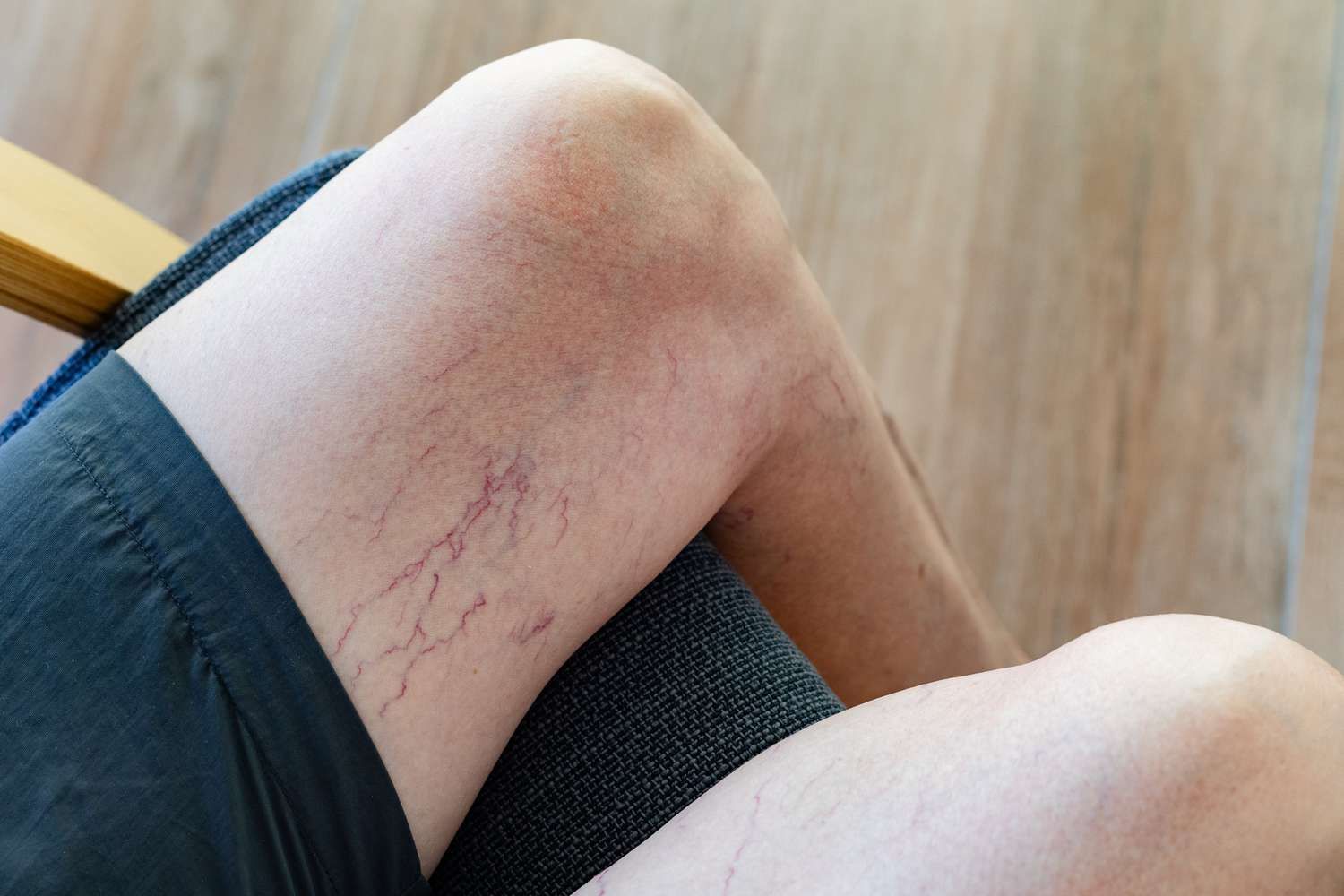
Varicose veins, those twisted and enlarged veins often visible on the legs, affect millions of individuals worldwide. While they may seem like a mere cosmetic concern, the truth is, varicose veins can cause discomfort and potentially lead to more severe health issues. In this article, we'll explore the various treatments available for managing and alleviating the symptoms of varicose veins.
Introduction:
Definition of Varicose Veins:
Varicose veins are enlarged, swollen veins that usually appear on the legs and feet. They are often blue or dark purple and may be twisted or bulging. Understanding the nature of Varicose Veins in Dubai is crucial in exploring treatment options.
Prevalence and Common Concerns:
Before delving into treatment methods, it's essential to recognize the prevalence of varicose veins and address common concerns individuals may have about this condition.
Causes of Varicose Veins:
Genetic Factors:
Genetics play a significant role in the development of varicose veins. Exploring familial connections and understanding genetic predispositions can provide valuable insights into prevention and treatment.
Lifestyle and Occupational Influences:
Certain lifestyle choices and occupational factors can contribute to the development of varicose veins. Identifying and addressing these influences are crucial in comprehensive treatment plans.
Pregnancy and Hormonal Changes:
Pregnancy and hormonal fluctuations are common contributors to varicose veins in women. Exploring the specific challenges faced by pregnant individuals is essential in tailoring treatment strategies.
Symptoms and Complications:
Visible Signs:
Recognizing the visible signs of varicose veins is the first step in seeking treatment. From bulging veins to skin discoloration, understanding these symptoms is vital.
Discomfort and Pain:
Varicose veins can cause discomfort and pain. Exploring the nature of this discomfort and its impact on daily life is crucial in determining appropriate treatment paths.
Potential Complications:
Left untreated, varicose veins can lead to more severe complications. Discussing potential risks and complications is essential for informed decision-making.
Diagnosis:
Physical Examination:
A thorough physical examination is the initial step in diagnosing varicose veins. Understanding what to expect during this examination helps individuals prepare for the diagnostic process.
Ultrasound Imaging:
Ultrasound imaging is a commonly used diagnostic tool for varicose veins. Exploring the role of this technology in diagnosis provides insight into its importance.
Other Diagnostic Tests:
In some cases, additional diagnostic tests may be necessary. Discussing these tests and their purposes enhances understanding and reduces uncertainty.
Conservative Treatment Options:
Lifestyle Modifications:
Simple lifestyle changes can have a significant impact on managing varicose veins. Exploring dietary adjustments, hydration, and other lifestyle modifications is crucial.
Compression Stockings:
Compression stockings are a non-invasive treatment option for varicose veins. Understanding how they work and their benefits is essential for individuals considering this approach.
Exercise and Weight Management:
Regular exercise and weight management play a crucial role in varicose vein treatment. Discussing suitable exercise routines and the importance of maintaining a healthy weight is essential.
Medical Interventions:
Sclerotherapy:
Sclerotherapy is a minimally invasive procedure used to treat varicose veins. Exploring the procedure, its effectiveness, and potential side effects provides a comprehensive overview.
Endovenous Laser Treatment (EVLT):
Endovenous laser treatment utilizes laser energy to address varicose veins. Understanding the intricacies of this procedure helps individuals make informed decisions.
Radiofrequency Ablation (RFA):
Radiofrequency ablation is another minimally invasive option for varicose vein treatment. Exploring the technology behind RFA and its advantages contributes to informed decision-making.
Surgical Options:
Vein Stripping:
Vein stripping is a traditional surgical method for varicose vein removal. Understanding the procedure, recovery, and potential risks is essential for those considering surgical options.
Ambulatory Phlebectomy:
Ambulatory phlebectomy is a minimally invasive surgical procedure. Exploring the benefits and considerations of this approach helps individuals weigh their options.
High Ligation and Vein Removal:
High ligation and vein removal involve tying off the affected vein. Discussing the procedure and its role in comprehensive varicose vein treatment is essential.
Post-Treatment Care:
Recovery Tips:
Recovery after varicose vein treatment is a crucial phase. Providing practical tips for a smooth recovery enhances the overall treatment experience.
Follow-Up Appointments:
Regular follow-up appointments are essential for monitoring progress and addressing any concerns. Stressing the importance of these appointments ensures optimal post-treatment care.
Lifestyle Adjustments:
Maintaining a healthy lifestyle post-treatment is vital in preventing recurrence. Discussing specific lifestyle adjustments contributes to long-term vein health.
Prevention Strategies:
Maintaining a Healthy Lifestyle:
Prevention begins with a healthy lifestyle. Exploring habits that contribute to overall well-being reduces the likelihood of developing varicose veins.
Regular Exercise:
Regular exercise is not only a treatment option but also a preventive measure. Highlighting suitable exercises for vein health encourages proactive habits.
Understanding Risk Factors:
Awareness of individual risk factors empowers individuals to take preventive action. Discussing common risk factors and how to address them enhances prevention strategies.
Common Misconceptions:
Varicose Veins are Only a Cosmetic Concern:
Dispelling the myth that varicose veins are solely a cosmetic issue is essential. Acknowledging the potential health implications encourages individuals to seek timely treatment.
Only Older Individuals are at Risk:
Varicose veins can affect individuals of various ages. Breaking the misconception that only older individuals are at risk promotes awareness and early intervention.
Treatment is Unnecessary if Symptoms are Mild:
Even mild symptoms warrant attention and treatment. Addressing the misconception that mild symptoms can be ignored emphasizes the importance of proactive care.
Patient Stories:
Real-Life Experiences:
Sharing real-life experiences of individuals who have undergone varicose vein treatment provides a personal perspective. Personal stories resonate with readers and offer valuable insights.
Positive Outcomes and Lessons Learned:
Highlighting positive outcomes and lessons learned from varicose vein treatment stories inspires hope and encourages individuals to take proactive steps.
The Importance of Seeking Professional Help:
Emphasizing the significance of consulting healthcare professionals for varicose vein concerns is crucial. Encouraging timely and expert guidance promotes positive outcomes.
Alternative Therapies:
Herbal Remedies:
Some individuals explore herbal remedies for varicose veins. Discussing the effectiveness and potential risks of such alternative therapies provides balanced information.
Dietary Supplements:
Certain dietary supplements claim to alleviate varicose vein symptoms. Examining the scientific basis and risks associated with these supplements enhances informed decision-making.
Their Effectiveness and Potential Risks:
Balancing the discussion on alternative therapies involves addressing both their potential effectiveness and associated risks. Providing a well-rounded perspective aids readers in making informed choices.
Varicose Veins and Overall Health:
Impact on Circulatory System:
Understanding the impact of varicose veins on the circulatory system is essential. Exploring how vein health contributes to overall cardiovascular well-being provides a holistic perspective.
Association with Cardiovascular Health:
Examining the potential links between varicose veins and cardiovascular health offers valuable insights. Recognizing the broader implications encourages individuals to prioritize vein health.
Addressing the Holistic Well-Being of Patients:
Varicose vein treatment extends beyond physical health. Discussing the holistic well-being of patients acknowledges the interconnectedness of physical and mental health.
Choosing the Right Treatment Path:
Consultation with a Healthcare Professional:
The first step in choosing the right treatment path is consulting with a healthcare professional. Emphasizing the importance of expert guidance sets the foundation for informed decision-making.
Considering Individual Needs and Preferences:
Personalized treatment plans consider individual needs and preferences. Discussing the importance of tailoring treatment approaches ensures a more effective and satisfactory outcome.
Informed Decision-Making:
Empowering individuals with information promotes informed decision-making. Encouraging readers to actively participate in their treatment journey enhances overall satisfaction.
Conclusion:
Summarizing the diverse treatment options for varicose veins reinforces the array of choices available. A brief recap helps readers consolidate information for a clearer understanding.
Reiterating the importance of seeking professional guidance encourages readers to take proactive steps. Emphasizing the expertise of healthcare professionals instills confidence in the treatment process.
Read More: Spider Veins
